The Science of Industrial Coatings: Why Quality Matters May 18, 2026
Industrial coatings provide a protective layer that shields surfaces from elements like corrosion, chemical exposure, and wear and tear. This is crucial in maintaining the functionality and aesthetic appeal of equipment and infrastructure. As industries demand more durable materials to optimize safety and performance, selecting the right coating becomes pivotal.
The foundation of industrial coatings lies in their composition and application methodology. These coatings often comprise several layers, each serving a distinct purpose. The priming layer, for instance, ensures adhesion to the substrate while the topcoat offers the final decorative and protective shield. The choice of these layers, along with their chemical make-up, directly impacts the performance and durability of the coating.
There are several types of industrial coatings available, each catering to specific needs. Epoxy coatings, known for their excellent adhesion, are ideal for surfaces prone to heavy machinery impact. Polyurethane coatings, on the other hand, offer superior resistance to chemicals and UV exposure, making them suitable for outdoor applications. The correct selection not only prolongs the life of materials but also reduces maintenance costs and downtime.
While selecting a coating, it is essential to consider the environmental conditions the material will face. Factors such as temperature fluctuations, humidity levels, and chemical exposure should guide the choice of the protective layer. Quality industrial coatings are designed to endure harsh environments, preventing costly repairs or replacements.
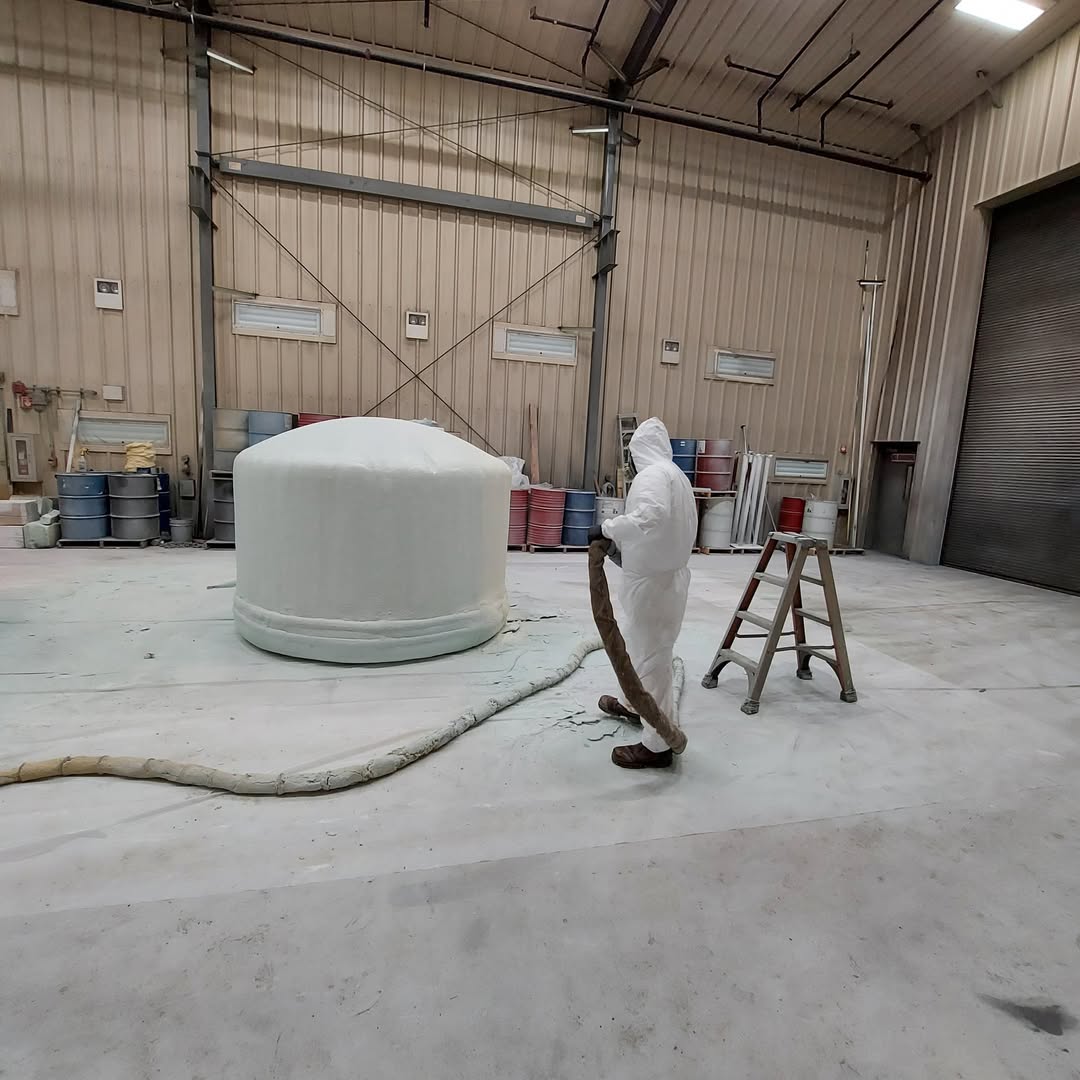
The application process of these coatings is another critical element. Improper application can lead to defects such as bubbling or peeling, which compromise the coating's effectiveness. Professional services like those provided by Stearns Industrial Painting ensure that coatings are applied meticulously, adhering to industry standards. This professionalism guarantees that the coating performs optimally over its intended lifecycle.
Quality control is integral to achieving high-standard results. Implementing rigorous quality checks at every stage of the coating process from surface preparation to final inspection minimizes risks and enhances reliability. Companies that prioritize quality, like Stearns Industrial Painting, invest in advanced technology and skilled personnel to ensure the highest standards are met.
In conclusion, the science of industrial coatings is a sophisticated interplay of chemistry, material science, and precise application techniques. Understanding this science and prioritizing quality can significantly impact the longevity and performance of industrial structures and machinery. This not only reflects on the aesthetic appeal but also on financial efficiency, by minimizing repair costs and extending the lifespan of assets.
Investing in superior protective coatings is more than just an industrial decision; it's a strategic move towards sustainability and growth. Whether for corrosion protection, chemical resistance, or aesthetic enhancement, the right coating solution tailored by experts like Stearns Industrial Painting can make all the difference. Understanding and implementing these principles is invaluable for any industrial operation aiming for excellence and longevity.
/filters:no_upscale()/filters:format(webp)/media/c10f935e-28af-4c4d-9a4e-01636f6cf0f3.png)